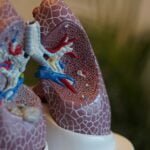
COPD-related damage does not simply heal away. The NHS says established lung and airway damage cannot be reversed. At the same time, NHLBI explains that treatment can help symptoms, activity and slower progression. Recovering from a difficult episode and eliminating the underlying condition are not the same claim.
After a flare-up, ask what is being reassessed
NHLBI describes flare-ups as sudden worsening that may need additional treatment or hospital care. Later symptom improvement does not demonstrate that COPD has disappeared. Ask which parts of the plan need review after the episode and who will coordinate it.
For adults hospitalized with a COPD exacerbation, the ATS guideline recommends pulmonary rehabilitation after hospitalization. That concerns an assessed clinical service, not beginning an unsupervised exercise routine during acute illness.
Ask what the team means by recovery: a change in symptoms, return toward usual activity or a measured test result. Those outcomes can inform follow-up without becoming a promise of restored lung structure.
Recognize the changes care can support
If you smoke, NHLBI identifies quitting as the most important step to help slow progression. Its daily-care guidance also includes medicine use, inhaler checks and nutritional needs. The relevant plan depends on the actual assessment.
Rehabilitation evidence for stable COPD includes exercise-capacity, breathlessness and quality-of-life benefits. An easier outing can matter even when the condition remains. Ask how a proposed goal will be measured and which change is realistic to discuss.
Do not treat that evidence as proof that a commercial device or supplement regenerates COPD lungs. No such product-specific finding is established here. Ask for the actual population and outcome behind a regenerative claim rather than borrowing evidence from a whole rehabilitation program.
The useful next step is an explained recovery and review plan that names the uncertainty. It can recognize improvement without calling it a cure or authorizing changes to medicines or oxygen.
Sources and scope
The dated NHS page is used for its damage explanation only. No individual recovery course or treatment change is predicted. Not yet medically reviewed.