RSV can begin like a cold and become more serious in infants and some young children. CDC describes possible bronchiolitis and pneumonia as well as mild illness. Watch the child’s current breathing, intake and behavior rather than relying on the name of the virus to predict how the illness will develop.
If a child is already struggling to breathe, the immediate task is obtaining help. Prevention questions and an explanation of the virus can wait until the child’s current condition has been addressed.
Infants may not show the signs you expect
CDC lists runny nose, cough and reduced intake among early features. In very young infants, irritability, reduced activity and pauses in breathing can be important. Many infants with RSV do not have fever.
The absence of fever is therefore not a reason to dismiss a breathing concern. Nor should an adult wait to time a pause against an online definition before asking for urgent advice. Describe what is happening and obtain the response appropriate to the child’s condition.
For an assessment, state when symptoms began and what changed in eating, drinking and activity. You are providing observations, not deciding at home whether small-airway inflammation or pneumonia has developed.
Seek help for worsening, breathing difficulty or poor intake
CDC advises medical attention when a child has difficulty breathing, is not drinking enough or has worsening symptoms. Do not assume a cold-like start guarantees that continuing to wait is appropriate.
Severe breathing difficulty, being barely able to speak or cry, stopped breathing, or blue lips or face calls for 911 in the US. Seek emergency help based on the child in front of you rather than waiting for every warning sign.
Pulse-oximeter readings have limitations and must be considered with symptoms. Do not postpone care while seeking a particular number or use a reassuring-looking reading as the sole decision. This page gives no infant medicine, oxygen or home-monitoring prescription.
Review prevention with the actual family record
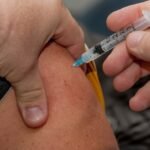
CDC describes maternal RSV vaccination and an RSV antibody given to infants or some older babies as two different preventive approaches. Most infants do not need both. An infant antibody is not a vaccine given to the baby.
Ask the prenatal or pediatric team to check maternal vaccination, the infant’s record and the current recommendation. The CDC parent table distinguishes preventive antibodies from vaccines. Do not choose an approach from a dated seasonal table or assume all children have the same eligibility.
As a practical next step when planning care, identify who will confirm the record and explain timing. If the child is currently ill, keep that prevention discussion separate from asking how urgently the symptoms need assessment.
Sources and scope
CDC’s February 2026 infant-RSV page and the other linked sources support symptom and prevention questions. They do not determine an individual’s course or treatment. Not yet medically reviewed.
Related posts:
 RSV Hypertonic Saline Solution 3% Review
What Are The Common Respiratory Problems In Children That I Should Be Aware Of?
Can You Explain The Signs Of Respiratory Distress In Infants And Children?
 What Vaccinations Are Important For Children To Prevent Respiratory Infections?
What Is The Role Of A Respiratory Therapist In Managing Cystic Fibrosis In Children?
Are There Any Pediatric-specific Breathing Exercises For Children With Respiratory Issues?